Video Card Repair for Computers and Laptops
Workshop for repair of Apple MacBook Pro logic boards in Monterrey. We repair your video cards and provide maintenance, and we also sell video cards for your equipment. Contact us at our phone numbers or visit our workshop in person, where we will answer all of your questions. If we don’t have it in stock, we will order your video card for you. We have keyboards and screens for Apple.
We are open Monday through Friday from 10:00 AM to 6:00 PM, and on Saturdays you can find us from 10:00 AM to 3:00 PM. Don’t worry, you can come at any time because we do not close for lunch.
We also offer courses on analysis equipment and video card repair for computers. You can learn to do BGA soldering yourself; these training sessions are very practical and simple. They are delivered by our best expert technician in the field, in our specialized laboratory. Ask about the training and you won’t regret it.
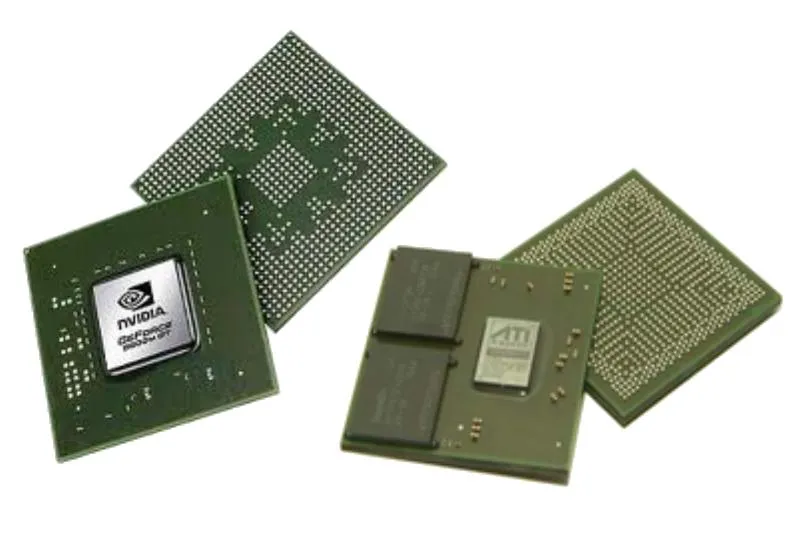
Sales and repair of nVidia and ATI video chips for computers and laptops. We have a BGA soldering machine with temperature profiles, an infrared oven, and a complete laboratory for reballing and rework. Professional work, not with a heat gun, which damages the intricate structure of the GPU.
We improve your laptop’s cooling by installing a device that increases the speed of the fan or cooling fan. Reballing service for BGA chips on HP, Toshiba, Acer, Dell, Lenovo, Compaq, Gateway and Lanix laptops.
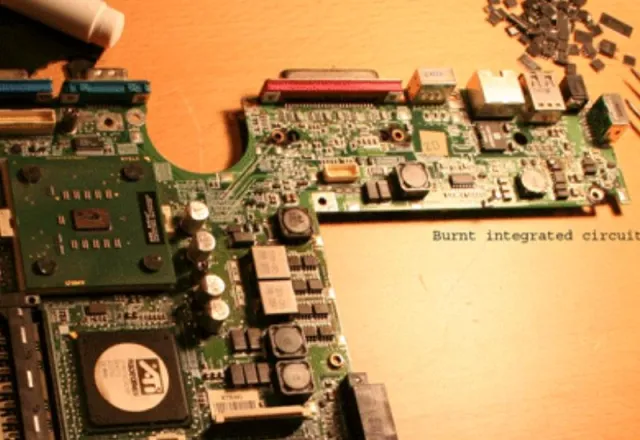
Notebook or laptop screen problems: due to overheating, the NVIDIA GPU video chip becomes “unsoldered.”
*Black screen or no video, lines on the screen, multiple screens, etc.
*** The solution is to “resolder” the NVIDIA GPU chip, since it “detaches” from the motherboard due to heat.
Temporary solution:
++ Reflow: apply heat to the GPU chip and press down on it so that it “resolders” to the motherboard. REFLOW service is a hot-air procedure to “reseat” the chips in place. Some XBOX 360 consoles and some laptops fall into this category. To determine whether a unit will be fine with just a REFLOW: the most common symptom in video cards is that they work fine, but after a certain time of operation they SHUT OFF BY THEMSELVES without any prior warning. This is due to excessive heating. When a REFLOW does not give the expected result, the repair procedure is then REBALLING.
Permanent solution:
Does your laptop have video corruption on the card, or do red lights appear on your Xbox 360? Perhaps a yellow light on your PS3, or a red light and your PS3 also shuts off? Do you have a laptop that powers on but shows no image, or perhaps consoles that simply won’t turn on? You need our specialized repair service for laptop and computer video cards.
The processor of your console, laptop or graphics card probably has lead-free solder.
Why does this happen?
This type of solder alloy has a major flaw: its “hardness.” When this compound is exposed to high temperatures it becomes stressed, producing cracks that can eventually break contact. For this reason, all components that use this type of lead-free solder, such as CPUs, GPUs, southbridges, etc., can suffer a failure of this kind.
In video card repair, the typical reballing is performed: the tin balls (lead-free and of dubious quality) of the solder (BGA type) are replaced with leaded tin balls (which withstand higher temperatures than “inferior quality” lead-free tin), and the chip is soldered to the motherboard.
(This applies to the chip in the XBOX and in some versions of the PS3, since the chip also “detaches” from the board due to heat).
IMPORTANT: In addition to the video card repair and the soldering of the NVIDIA GPU chip, the heat dissipation of the notebook / laptop must be improved by replacing the CPU thermal paste and the thermal pad of the nVIDIA GPU chip, increasing the ventilation slots (holes) on the underside of the laptop casing, or performing undervolting, etc. Otherwise, the notebook / laptop will keep overheating!!
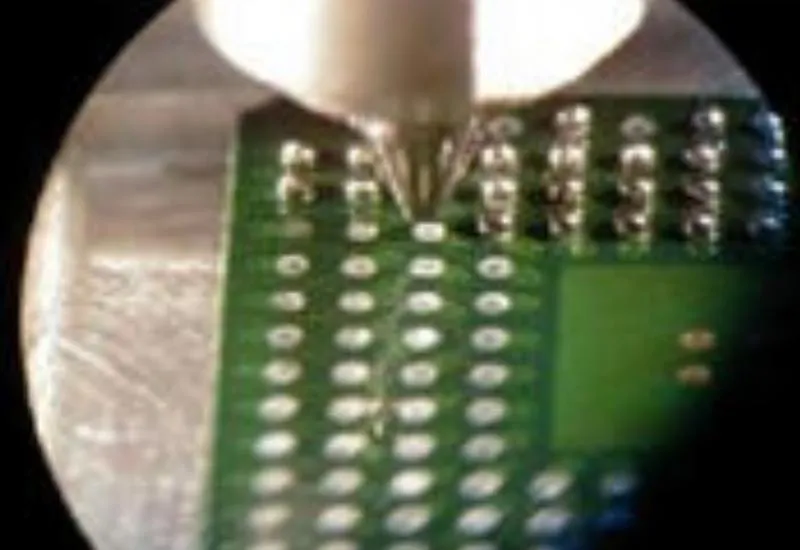
Ways to prevent overheating, or solutions to overheating:
++ Update the BIOS: look for a BIOS update. This will make the fan “more active” all the time. (In the BIOS you will see the option to disable it)
++ Increasing the ventilation slots (= holes), lowering the temperature by 10/12/14ºC:
Laptop temperature:
A temperature of about 15ºC above ambient temperature is desirable for the CPU and GPU when the processor is idle (no load). The maximum permissible temperature depends on the type of processor (see specifications), but in a laptop you should try to keep it from exceeding 75ºC. The T junction is the internal temperature of each core (internal sensor). The case temperature is the temperature on the CPU chip externally to the cores.
How to check the temperature of the laptop’s components: CPU (cores), GPU, HDD, motherboard chip:
Well-known and reliable programs (all are the official web pages of each program, and they are also free)
Tables with the specifications of the most common GPUs: nVidia and ATI.
| ATI Chip | Core Clock | Memory Clock | Memory Interface | Memory Data Transfer Rate | Pixels per Clock | DirectX |
| Radeon 9200 | 250 MHz | 400 MHz | 128-bit | 6.4 GB/s | 4 | 8.1 |
| Radeon 9200 Pro | 275 MHz | 550 MHz | 128-bit | 8.8 GB/s | 4 | 8.1 |
| Radeon 9200 SE | 200 MHz | 333 MHz | 64-bit | 2.6 GB/s | 4 | 8.1 |
| Radeon 9250 | 240 MHz | 400 MHz | 128-bit | 6.4 GB/s | 4 | 8.1 |
| Radeon 9250 SE | 240 MHz | 400 MHz | 64-bit | 3.2 GB/s | 4 | 8.1 |
| Radeon 9500 | 275 MHz | 540 MHz | 128-bit | 8.6 GB/s | 4 | 9.0 |
| Radeon 9550 | 250 MHz | 400 MHz | 128-bit | 6.4 GB/s | 4 | 9.0 |
| Radeon 9550 SE | 250 MHz | 400 MHz | 64-bit | 3.2 GB/s | 4 | 9.0 |
| Radeon 9500 Pro | 275 MHz | 540 MHz | 128-bit | 8.6 GB/s | 8 | 9.0 |
| Radeon 9600 | 325 MHz | 400 MHz | 128-bit | 6.4 GB/s | 4 | 9.0 |
| Radeon 9600 Pro | 400 MHz | 600 MHz | 128-bit | 9.6 GB/s | 4 | 9.0 |
| Radeon 9600 SE | 325 MHz | 400 MHz | 64-bit | 3.2 GB/s | 4 | 9.0 |
| Radeon 9600 XT | 500 MHz | 600 MHz | 128-bit | 9.6 GB/s | 4 | 9.0 |
| Radeon 9700 | 275 MHz | 540 MHz | 256-bit | 17.2 GB/s | 8 | 9.0 |
| Radeon 9700 Pro | 325 MHz | 620 MHz | 256-bit | 19.8 GB/s | 8 | 9.0 |
| Radeon 9800 | 325 MHz | 580 MHz | 256-bit | 18.56 GB/s | 8 | 9.0 |
| Radeon 9800 Pro | 380 MHz | 680 MHz | 256-bit | 21.7 GB/s | 8 | 9.0 |
| Radeon 9800 SE | 325 MHz | 500 MHz | 128-bit or 256-bit | 8 GB/s or 16 GB/s | 4 | 9.0 |
| Radeon 9800 XT | 412 MHz | 730 MHz | 256-bit | 23.3 GB/s | 8 | 9.0 |
| Radeon X300 SE | 325 MHz | 400 MHz | 64-bit | 3.2 GB/s | 4 | 9.0 |
| Radeon X300 | 325 MHz | 400 MHz | 128-bit | 6.4 GB/s | 4 | 9.0 |
| Radeon X550 | 400 MHz | 500 MHz | 128-bit or 64-bit | 8 GB/s or 4 GB/s | 4 | 9.0 |
| Radeon X600 Pro | 400 MHz | 600 MHz | 128-bit | 9.6 GB/s | 4 | 9.0 |
| Radeon X600 XT | 500 MHz | 730 MHz | 128-bit | 11.68 GB/s | 4 | 9.0 |
| Radeon X700 | 400 MHz | 600 MHz | 128-bit | 9.6 GB/s | 8 | 9.0 |
| Radeon X700 Pro | 420 MHz | 864 MHz | 128-bit | 13.8 GB/s | 8 | 9.0 |
| Radeon X700 XT | 475 MHz | 1.05 GHz | 128-bit | 16.8 GB/s | 8 | 9.0 |
| Radeon X800 SE | * | * | * | * | 8 | 9.0 |
| Radeon X800 | 400 MHz | 700 MHz | 256-bit | 22.4 GB/s | 12 | 9.0 |
| Radeon X800 XL | 400 MHz | 1 GHz | 256-bit | 32 GB/s | 16 | 9.0 |
| Radeon X800 GT | 475 MHz | ** | 128-bit or 256-bit | ** | 8 | 9.0 |
| Radeon X800 GTO | 400 MHz | 1 GHz *** | 256-bit | 32 GB/s | 12 | 9.0 |
| Radeon X800 Pro | 475 MHz | 950 MHz | 256-bit | 30.4 GB/s | 12 | 9.0 |
| Radeon X800 XT | 500 MHz | 1 GHz | 256-bit | 32 GB/s | 16 | 9.0 |
| Radeon X800 XT PE | 520 MHz | 1.12 GHz | 256-bit | 35.8 GB/s | 16 | 9.0 |
| Radeon X850 Pro | 520 MHz | 1.08 GHz | 256-bit | 34.56 GB/s | 12 | 9.0 |
| Radeon X850 XT | 520 MHz | 1.08 GHz | 256-bit | 34.56 GB/s | 16 | 9.0 |
| Radeon X850 PE | 540 MHz | 1.18 GHz | 256-bit | 37.76 GB/s | 16 | 9.0 |
| Radeon X1050 | **** | **** | **** | **** | 4 | 9.0c |
| Radeon X1300 HM | 450 MHz | 1 GHz | 128-bit or 64-bit or 32-bit | 16 GB/s or 8 GB/s or 4 GB/s | 4 | 9.0c |
| Radeon X1300 | 450 MHz | 500 MHz | 128-bit or 64-bit or 32-bit | 8 GB/s or 4 GB/s or 2 GB/s | 4 | 9.0c |
| Radeon X1300 Pro | 600 MHz | 800 MHz | 128-bit or 64-bit or 32-bit | 12.8 GB/s or 6.4 GB/s or 3.2 GB/s | 4 | 9.0c |
| Radeon X1300 XT | 500 MHz | 800 MHz (DDR2) or 1 GHz (GDDR3) | 128-bit | 12.8 GB/s or 16 GB/s | 12 | 9.0c |
| Radeon X1550 | 450 MHz or 550 MHz or 600 MHz | 800 MHz | 64-bit or 128-bit | 6.4 GB/s or 12.8 GB/s | 4 | 9.0c |
| Radeon X1600 Pro | 500 MHz or 575 MHz | 780 MHz | 128-bit | 12.48 GB/s | 12 | 9.0c |
| Radeon X1600 XT | 590 MHz | 1.38 GHz | 128-bit | 22.08 GB/s | 12 | 9.0c |
| Radeon X1650 Pro | 600 MHz | 1.40 GHz | 128-bit | 22.40 GB/s | 12 | 9.0c |
| Radeon X1650 XT | 575 MHz | 1.35 GHz | 128-bit | 21.60 GB/s | 24 | 9.0c |
| Radeon X1800 GTO | 500 MHz | 1 GHz | 256-bit | 32 GB/s | 12 | 9.0c |
| Radeon X1800 XL | 500 MHz | 1 GHz | 256-bit | 32 GB/s | 16 | 9.0c |
| Radeon X1800 XT | 625 MHz | 1.5 GHz | 256-bit | 48 GB/s | 16 | 9.0c |
| Radeon X1900 GT | 575 MHz | 1.2 GHz | 256-bit | 38.4 GB/s | 36 | 9.0c |
| Radeon X1900 XT | 625 MHz | 1.45 GHz | 256-bit | 46.4 GB/s | 48 | 9.0c |
| Radeon X1900 XTX | 650 MHz | 1.55 GHz | 256-bit | 49.6 GB/s | 48 | 9.0c |
| Radeon X1950 GT | 500 MHz | 1.2 GHz | 256-bit | 38.4 GB/s | 36 | 9.0c |
| Radeon X1950 Pro | 575 MHz | 1.38 GHz | 256-bit | 44.16 GB/s | 36 | 9.0c |
| Radeon X1950 XT | 625 MHz | 1.8 GHz | 256-bit | 57.6 GB/s | 48 | 9.0c |
| Radeon X1950 XTX | 650 MHz | 2 GHz | 256-bit | 64 GB/s | 48 | 9.0c |
| Radeon HD 2400 Pro | 525 MHz | 800 MHz | 64-bit | 6.4 GB/s | 40 ***** | 10 |
| Radeon HD 2400 XT | 700 MHz | 1.6 GHz | 64-bit | 12.8 GB/s | 40 ***** | 10 |
| Radeon HD 2600 Pro | 600 MHz | 800 MHz | 128-bit | 12.8 GB/s | 120 ***** | 10 |
| Radeon HD 2600 XT | 800 MHz | 1.6 GHz (GDDR3) or 2.2 GHz (GDDR4) | 128-bit | 25.6 GB/s (GDDR3) or 35.2 GB/s (GDDR4) | 120 ***** | 10 |
| Radeon HD 2900 GT | 600 MHz | 1.6 GHz | 256-bit | 51.2 GB/s | 240 ***** | 10 |
| Radeon HD 2900 Pro | 600 MHz | 1.85 GHz | 512-bit | 118.4 GB/s | 320 ***** | 10 |
| Radeon HD 2900 XT | 740 MHz | 1.65 GHz (GDDR3) or 2 GHz (GDDR4) | 512-bit | 105.6 GB/s (GDDR3) or 128 GB/s (GDDR4) | 320 ***** | 10 |
| Radeon HD 3450 ^ | 600 MHz | 1 GHz | 64-bit | 8 GB/s | 40 ***** | 10.1 |
| Radeon HD 3470 ^ | 800 MHz | 1.90 GHz | 64-bit | 15.2 GB/s | 40 ***** | 10.1 |
| Radeon HD 3650 ^ | 725 MHz | 1 GHZ (DDR2) or 1.6 GHz (GDDR3) | 128-bit | 16 GB/s (DDR2) or 25.6 GB/s (GDDR3) | 120 ***** | 10.1 |
| Radeon HD 3690 ^ | 668 MHz | 1,656 MHz | 128-bit | 26.5 GB/s | 120 ***** | 10.1 |
| Radeon HD 3850 ^ | 670 MHz | 1.66 GHz | 256-bit | 53.12 GB/s | 320 ***** | 10.1 |
| Radeon HD 3870 ^ | 775 MHz | 2.25 GHz | 256-bit | 72 GB/s | 320 ***** | 10.1 |
| Radeon HD 3870 X2 ^ + | 825 MHz | 1.8 GHz | 256-bit | 57.6 GB/s | 320 ***** | 10.1 |
| Radeon HD 4350 ^ | 600 MHz | 1 GHz | 64-bit | 8 GB/s | 80 ***** | 10.1 |
| Radeon HD 4550 ^ | 800 MHz | 1.6 GHz | 64-bit | 12.8 GB/s | 80 ***** | 10.1 |
| Radeon HD 4650 ^ | 600 MHz | 1 GHz or 1.4 GHz | 128-bit | 16 GB/s or 22.4 GB/s | 320 ***** | 10.1 |
| Radeon HD 4670 ^ | 750 MHz | 2 GHz (512 MB) or 1,746 MHz (1 GB) | 128-bit | 32 GB/s or 27.94 GB/s | 320 ***** | 10.1 |
| Radeon HD 4730 ^ | 750 MHz | 1.8 GHz | 128-bit | 28.8 GB/s | 640 ***** | 10.1 |
| Radeon HD 4770 ^ | 750 MHz | 3.2 GHz | 128-bit | 51.2 GB/s | 640 ***** | 10.1 |
| Radeon HD 4830 ^ | 575 MHz | 1.8 GHz | 256-bit | 57.6 GB/s | 640 ***** | 10.1 |
| Radeon HD 4850 ^ | 625 MHz | 2 GHz | 256-bit | 64 GB/s | 800 ***** | 10.1 |
| Radeon HD 4850 X2 ^ + | 625 MHz | 2 GHz | 256-bit | 64 GB/s | 800 ***** | 10.1 |
| Radeon HD 4870 ^ | 750 MHz | 3.6 GHz | 256-bit | 115.2 GB/s | 800 ***** | 10.1 |
| Radeon HD 4870 X2 ^ + | 750 MHz | 3.6 GHz | 256-bit | 115.2 GB/s | 800 ***** | 10.1 |
| Radeon HD 4890 ^ | 850 MHz | 3.9 GHz | 256-bit | 124.8 GB/s | 800 ***** | 10.1 |
| Radeon HD 5450 ^ | 650 MHz | 800 MHz (DDR2) or 1.6 GHz (DDR3) | 64-bit | 6.4 GB/s (DDR2) or 12.8 GB/s (DDR3) | 80 ***** | 11 |
| Radeon HD 5550 ^ | 550 MHz | (varies) | 128-bit | (varies) | 320 ***** | 11 |
| Radeon HD 5570 ^ | 650 MHz | 1.8 GHz | 128-bit | 28.8 GB/s | 400 ***** | 11 |
| Radeon HD 5670 ^ | 775 MHz | 4 GHz | 128-bit | 64 GB/s | 400 ***** | 11 |
| Radeon HD 5750 ^ | 705 MHz | 4.6 GHz | 128-bit | 73.6 GB/s | 720 ***** | 11 |
| Radeon HD 5770 ^ | 850 MHz | 4.8 GHz | 128-bit | 76.8 GB/s | 800 ***** | 11 |
| Radeon HD 5830 ^ | 800 MHz | 4 GHz | 256-bit | 128 GB/s | 1,120 ***** | 11 |
| Radeon HD 5850 ^ | 725 MHz | 4 GHz | 256-bit | 128 GB/s | 1,440 ***** | 11 |
| Radeon HD 5870 ^ | 850 MHz | 4.8 GHz | 256-bit | 153.6 GB/s | 1,600 ***** | 11 |
| Radeon HD 5970 ^ + | 725 MHz | 4 GHz | 256-bit | 128 GB/s | 1,600 ***** | 11 |
| nVidiaChip | ||||||
| GeForce4 MX 420 | 250 MHz | 166 MHz | 128-bit | 2.6 GB/s | 1 | 7 |
| GeForce4 MX 440 SE | 250 MHz | 333 MHz | 64-bit | 2.6 GB/s | 1 | 7 |
| GeForce4 MX 440 | 270 MHz | 400 MHz | 128-bit | 6.4 GB/s | 1 | 7 |
| GeForce 4 MX 440 AGP 8x | 275 MHz | 512 MHz | 128-bit | 8.1 GB/s | 1 | 7 |
| GeForce 4 MX 460 | 300 MHz | 550 MHz | 128-bit | 8.8 GB/s | 1 | 7 |
| GeForce MX 4000 | 250 MHz | * | 32-, 64- or 128-bit | * | 1 | 7 |
| GeForce4 Ti 4200 | 250 MHz | 514 MHz (64 MB) or 444 MHz (128 MB) | 128-bit | 8.2 GB/s (64 MB) or 7.1 GB/s (128 MB) | 4 | 8.1 |
| GeForce4 Ti 4200 AGP 8x | 250 MHz | 500 MHz | 128-bit | 8 GB/s | 4 | 8.1 |
| GeForce4 Ti 4400 | 275 MHz | 550 MHz | 128-bit | 8.8 GB/s | 4 | 8.1 |
| GeForce4 Ti 4600 | 300 MHz | 650 MHz | 128-bit | 10.4 GB/s | 4 | 8.1 |
| GeForce4 Ti 4800 SE | 275 MHz | 550 MHz | 128-bit | 8.8 GB/s | 4 | 8.1 |
| GeForce4 Ti 4800 | 300 MHz | 650 MHz | 128-bit | 10.4 GB/s | 4 | 8.1 |
| GeForce FX 5200 | 250 MHz | 400 MHz | 64-bit or 128-bit | 3.2 GB/s or 6.4 GB/s | 4 | 9.0 |
| GeForce FX 5200 Ultra | 350 MHz | 650 MHz | 128-bit | 10.4 GB/s | 4 | 9.0 |
| GeForce FX 5600 | 325 MHz | 550 MHz | 128-bit | 8.8 GB/s | 4 | 9.0 |
| GeForce FX 5500 | 270 MHz | 400 MHz | 64-bit or 128-bit | 3.2 GB/s or 6.4 GB/s | 4 | 9.0 |
| GeForce FX 5600 Ultra | 500 MHz | 800 MHz | 128-bit | 12.8 GB/s | 4 | 9.0 |
| GeForce FX 5700 LE | 250 MHz | 400 MHz | 128-bit | 6.4 GB/s | 4 | 9.0 |
| GeForce FX 5700 | 425 MHz | 600 MHz | 128-bit | 9,6 GB/s | 4 | 9.0 |
| GeForce FX 5700 Ultra | 475 MHz | 900 MHz | 128-bit | 14.4 GB/s | 4 | 9.0 |
| GeForce FX 5800 | 400 MHz | 900 MHz | 128-bit | 14.4 GB/s | 8 | 9.0 |
| GeForce FX 5800 Ultra | 500 MHz | 1 GHz | 128-bit | 16 GB/s | 8 | 9.0 |
| GeForce FX 5900 XT | 390 MHz | 680 MHz | 256-bit | 21.7 GB/s | 8 | 9.0 |
| GeForce FX 5900 | 400 MHz | 850 MHz | 256-bit | 27.2 GB/s | 8 | 9.0 |
| GeForce FX 5900 Ultra | 450 MHz | 850 MHz | 256-bit | 27.2 GB/s | 8 | 9.0 |
| GeForce FX 5950 Ultra | 475 MHz | 950 MHz | 256-bit | 30.4 GB/s | 8 | 9.0 |
| GeForce PCX 5300 | 325 MHz | 650 MHz | 128-bit | 10.4 GB/s | 4 | 9.0 |
| GeForce PCX 5750 | 475 MHz | 900 MHz | 128-bit | 14.4 GB/s | 4 | 9.0 |
| GeForce PCX 5900 | 350 MHz | 500 MHz | 256-bit | 17.6 GB/s | 8 | 9.0 |
| GeForce PCX 5950 | 475 MHz | 900 MHz | 256-bit | 30.4 GB/s | 8 | 9.0 |
| GeForce 6200 | 300 MHz | 550 MHz | 128-bit | 8.8 GB/s | 4 | 9.0c |
| GeForce 6200 LE | 350 MHz | 550 MHz | 64-bit | 4.4 GB/s | 2 | 9.0c |
| GeForce 6200 (TC) | 350 MHz | 666 MHz * | 32-bit or 64-bit | 2.66 GB/s or 5.32 GB/s * | 4 | 9.0c |
| GeForce 6500 (TC) | 400 MHz | 666 MHz * | 32-bit or 64-bit | 2.66 GB/s or 5.32 GB/s * | 4 | 9.0c |
| GeForce 6600 | 300 MHz | 550 MHz * | 64-bit or 128-bit | 4.4 GB/s or 8.8 GB/s * | 8 | 9.0c |
| GeForce 6600 DDR2 | 350 MHz | 800 MHz * | 128-bit | 12.8 GB/s * | 8 | 9.0c |
| GeForce 6600 LE | 300 MHz | * | 64-bit or 128-bit | * | 4 | 9.0c |
| GeForce 6600 GT | 500 MHz | 1 GHz | 128-bit | 16 GB/s | 8 | 9.0c |
| GeForce 6600 GT AGP | 500 MHz | 900 MHz | 128-bit | 14.4 GB/s | 8 | 9.0c |
| GeForce 6800 LE | 300 MHz | 700 MHz | 256-bit | 22.4 GB/s | 8 | 9.0c |
| GeForce 6800 XT | 325 MHz | 600 MHz | 256 bits | 19.2 GB/s | 8 | 9.0c |
| GeForce 6800 XT AGP | 325 MHz | 700 MHz | 256 bits | 22.4 GB/s | 8 | 9.0c |
| GeForce 6800 | 325 MHz | 600 MHz | 256-bit | 19.2 GB/s | 12 | 9.0c |
| GeForce 6800 AGP | 325 MHz | 700 MHz | 256-bit | 22.4 GB/s | 12 | 9.0c |
| GeForce 6800 GS | 425 MHz | 1 GHz | 256-bit | 32 GB/s | 12 | 9.0c |
| GeForce 6800 GS AGP | 350 MHz | 1 GHz | 256-bit | 32 GB/s | 12 | 9.0c |
| GeForce 6800 GT | 350 MHz | 1 GHz | 256-bit | 32 GB/s | 16 | 9.0c |
| GeForce 6800 Ultra | 400 MHz | 1.1 GHz | 256-bit | 35.2 GB/s | 16 | 9.0c |
| GeForce 6800 Ultra Extreme | 450 MHz | 1.1 GHz | 256-bit | 35.2 GB/s | 16 | 9.0c |
| GeForce 7100 GS (TC) | 350 MHz | 666 MHz * | 64-bit | 5.3 GB/s * | 4 | 9.0c |
| GeForce 7200 GS (TC) | 450 MHz | 800 MHz * | 64-bit | 6.4 GB/s * | 4 | 9.0c |
| GeForce 7300 SE (TC) | 225 MHz | * | 64-bit | * | 4 | 9.0c |
| GeForce 7300 LE (TC) | 450 MHz | 648 MHz * | 64-bit | 5.2 GB/s * | 4 | 9.0c |
| GeForce 7300 GS (TC) | 550 MHz | 810 MHz * | 64-bit | 6.5 GB/s * | 4 | 9.0c |
| GeForce 7300 GT (TC) | 350 MHz | 667 MHz | 128-bit | 10.6 GB/s | 8 | 9.0c |
| GeForce 7600 GS | 400 MHz | 800 MHz | 128-bit | 12.8 GB/s | 12 | 9.0c |
| GeForce 7600 GT | 560 MHz | 1.4 GHz | 128-bit | 22.4 GB/s | 12 | 9.0c |
| GeForce 7800 GS | 375 MHz | 1.2 GHz | 256-bit | 38.4 GB/s | 16 | 9.0c |
| GeForce 7800 GT | 400 MHz | 1 GHz | 256-bit | 32 GB/s | 20 | 9.0c |
| GeForce 7800 GTX | 430 MHz | 1.2 GHz | 256-bit | 38.4 GB/s | 24 | 9.0c |
| GeForce 7800 GTX 512 | 550 MHz | 1.7 GHz | 256-bit | 54.4 GB/s | 24 | 9.0c |
| GeForce 7900 GS | 450 MHz | 1.32 GHz | 256-bit | 42.2 GB/s | 20 | 9.0c |
| GeForce7900 GT | 450 MHz | 1.32 GHz | 256-bit | 42.2 GB/s | 24 | 9.0c |
| GeForce 7900 GTX | 650 MHz | 1.6 GHz | 256-bit | 51.2 GB/s | 24 | 9.0c |
| GeForce 7950 GT | 550 MHz | 1.4 GHz | 256-bit | 44.8 GB/s | 24 | 9.0c |
| GeForce 7950 GX2 ** | 500 MHz | 1.2 GHz | 256-bit | 38.4 GB/s | 24 | 9.0c |
| GeForce 8400 GS *** | 450 MHz / 900 MHz | 800 MHz | 64-bit | 6.4 GB/s | 16 | 10 |
| GeForce 8500 GT *** | 450 MHz / 900 MHz | 666 MHz or 800 MHz | 128-bit | 10.6 GB/s or 12.8 GB/s | 16 | 10 |
| GeForce 8600 GT DDR2 *** | 540 MHz / 1.18 GHz | 666 MHz or 800 MHz | 128-bit | 10.6 GB/s or 12.8 GB/s | 32 | 10 |
| GeForce 8600 GT GDDR3 *** | 540 MHz / 1.18 GHz | 1.4 GHz | 128-bit | 22.4 GB/s | 32 | 10 |
| GeForce 8600 GTS *** | 675 MHz / 1.45 GHz | 2 GHz | 128-bit | 32 GB/s | 32 | 10 |
| GeForce 8800 GS *** ^ | 550 MHz / 1,375 MHz | 1.6 GHz | 192-bit | 38.4 GB/s | 96 | 10 |
| GeForce 8800 GT *** ^ | 600 MHz / 1.5 GHz | 1.8 GHz | 256-bit | 57.6 GB/s | 112 | 10 |
| GeForce 8800 GTS *** | 500 MHz / 1.2 GHz | 1.6 GHz | 320-bit | 64 GB/s | 96 | 10 |
| GeForce 8800 GTS 512 *** ^ | 650 MHz / 1,625 MHz | 1.94 GHz | 256-bit | 62.08 GB/s | 128 | 10 |
| GeForce 8800 GTX *** | 575 MHz / 1.35 GHz | 1.8 GHz | 384-bit | 86.4 GB/s | 128 | 10 |
| GeForce 8800 Ultra *** | 612 MHz / 1.5 GHz | 2.16 GHz | 384-bit | 103.6 GB/s | 128 | 10 |
| GeForce 9400 GT *** ^ | 550 MHz / 1.4 GHz | 800 MHz | 128-bit | 12.8 GB/s | 16 | 10 |
| GeForce 9500 GT *** ^ | 550 MHz / 1.4 GHz | 1 GHz (DDR2) or 1.6 GHz (GDDR3) | 128-bit | 16 GB/s (DDR2) or 25.6 GB/s (GDDR3) | 32 | 10 |
| GeForce 9600 GSO *** ^ | 550 MHz / 1.35 GHz | 1.6 GHz | 192-bit | 38.4 GB/s | 96 | 10 |
| GeForce 9600 GSO 512 *** ^ | 650 MHz / 1,625 MHz | 1.8 GHz | 256-bit | 57.6 GB/s | 48 | 10 |
| GeForce 9600 GT *** ^ | 600 MHz / 1.5 GHz or 650 MHz / 1,625 MHz | 1.8 GHz | 256-bit | 57.6 GB/s | 64 | 10 |
| GeForce 9800 GT *** ^ | 600 MHz / 1.5 GHz | 1.8 GHz | 256-bit | 57.6 GB/s | 112 | 10 |
| GeForce 9800 GTX *** ^ | 675 MHz / 1,688 MHz | 2.2 GHz | 256-bit | 70.4 GB/s | 128 | 10 |
| GeForce 9800 GTX+ *** ^ | 738 MHz / 1,836 MHz | 2.2 GHz | 256-bit | 70.4 GB/s | 128 | 10 |
| GeForce 9800 GX2 ** *** ^ | 600 MHz / 1.5 GHz | 2 GHz | 256-bit | 64 GB/s | 128 | 10 |
| GeForce G 100 *** ^ | 567 MHz / 1.4 GHz | 1 GHz | 64-bit | 8 GB/s | 8 | 10 |
| GeForce GT 120 *** ^ | 500 MHz / 1.4 GHz | 1 GHz | 128-bit | 16 GB/s | 32 | 10 |
| GeForce GT 130 *** ^ | 500 MHz / 1.25 GHz | 1 GHz | 192-bit | 24 GB/s | 48 | 10 |
| GeForce GTS 150 *** ^ | 738 MHz / 1,836 MHz | 2 GHz | 256-bit | 64 GB/s | 128 | 10 |
| GeForce 205 *** ^ | 589 MHz / 1,402 MHz | 1 GHz | 64-bit | 8 GB/s | 8 | 10.1 |
| GeForce 210 *** ^ | 589 MHz / 1,402 MHz | 1 GHz | 64-bit | 8 GB/s | 16 | 10.1 |
| GeForce GT 220 *** ^ | 625 MHz / 1,360 MHz | 1.58 GHz | 128-bit | 25.28 GB/s | 48 | 10.1 |
| GeForce GT 240 *** ^ | 550 MHz / 1,340 MHz | 1.8 GHz (DDR3) or 2 GHz (GDDR3) or 3.4 GHz (GDDR5) | 128-bit | 28.8 GB/s (DDR3) or 32 GB/s (GDDR3) or 54.4 GB/s (GDDR5) | 96 | 10.1 |
| GeForce GTS 250 *** ^ | 738 MHz / 1,836 MHz | 2.2 GHz | 256-bit | 70.4 GB/s | 128 | 10 |
| GeForce GTX 260 *** ^ | 576 MHz / 1,242 MHz | 2 GHz | 448-bit | 112 GB/s | 192 | 10 |
| GeForce GTX 260/216 *** ^ | 576 MHz / 1,242 MHz | 2 GHz | 448-bit | 112 GB/s | 216 | 10 |
| GeForce GTX 275 *** ^ | 633 MHz / 1,404 MHz | 2.268 GHz | 448-bit | 127 GB/s | 240 | 10 |
| GeForce GTX 280 *** ^ | 602 MHz / 1,296 MHz | 2.21 GHz | 512-bit | 141.7 GB/s | 240 | 10 |
| GeForce GTX 285 *** ^ | 648 MHz / 1,476 MHz | 2.48 GHz | 512-bit | 159 GB/s | 240 | 10 |
| GeForce GTX 295 ** *** ^ | 576 MHz / 1,242 MHz | 2 GHz | 448-bit | 112 GB/s | 240 | 10 |
| GeForce 310 *** ^ | 589 MHz / 1,402 MHz | 1 GHz | 64-bit | 8 GB/s | 16 | 10.1 |
| GeForce GTX 465 *** ^ | 607 MHz / 1,215 MHz | 3,206 MHz | 256-bit | 102.6 GB/s | 352 | 11 |
| GeForce GTX 470 *** ^ | 607 MHz / 1,215 MHz | 3,348 MHz | 320-bit | 133.9 GB/s | 448 | 11 |
| GeForce GTX 480 *** ^ | 700 MHz / 1,401 MHz | 3,696 MHz | 384-bit | 177.4 GB/s | 480 | 11 |