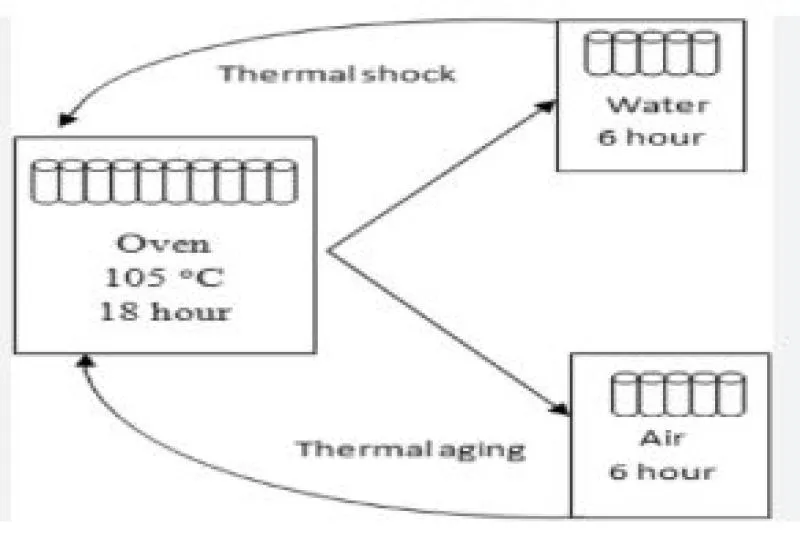
We have a Sun temperature system controlled by a PC1000 to perform programmed thermal cycles with precise ramps and advanced profiles from 300 C down to -78 C. These cycles reproduce real environmental conditions, simulate prolonged use, detect degradation associated with thermal expansion and evaluate product stability when it experiences moderate or repetitive temperature variations. Programs can be adapted to JEDEC, MIL-STD and IEC standards, or customized for specific needs.
Thermal cycling is an essential tool for identifying slow changes in material structure, shifts in electrical parameters, loss of insulation, dimensional variation, accumulated stress or coating degradation. Over the long term, these tests make it possible to predict the component’s service life and assess whether it will maintain its performance under fluctuating conditions.
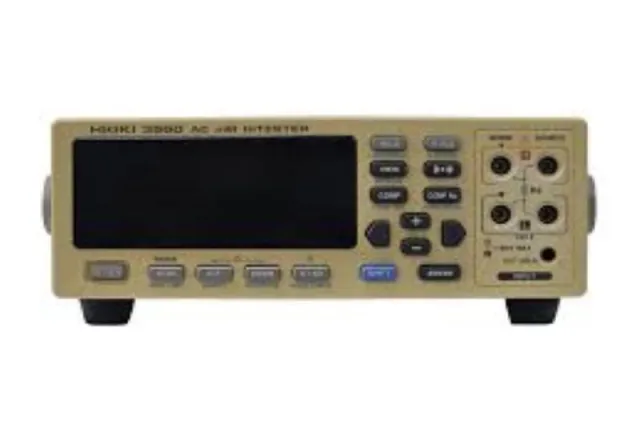
Thanks to the Hioki 10-channel recorder with up to 20 MS/s capability, we can capture electrical events during thermal ramps that other equipment does not detect. This makes it possible to observe instantaneous failures, transient arcing, resistance variations within fractions of a microsecond and dynamic DUT responses that reveal internal stress. This capability is ideal for sensitive electronic devices, sensors, power modules, SMD components or any element whose performance may be affected by heat.
We document the entire process in a complete technical report that includes detailed plots of each measured parameter, a thermal trend analysis, stability observations and conclusions based on data measured in real time. We also include photographic evidence and video sequences to clearly show the conditions under which the tests were run, offering full transparency.