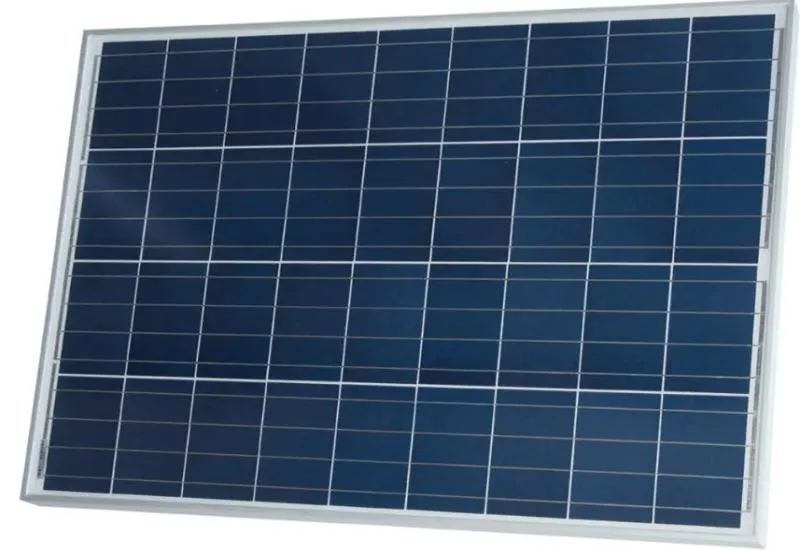
We test solar panels and complete photovoltaic systems.
Analysis of photovoltaic systems under the IEC 62446 and IEC 61724 standards involves evaluating various technical, economic, and environmental aspects to ensure proper operation and optimization. These are the main analyses performed:
1. Performance analysis
Photovoltaic module efficiency: Evaluates the percentage of solar energy converted into electricity.
I-V curve (Current-Voltage): Helps identify problems in modules or panel strings.
Temperature losses: Analyzes efficiency losses due to module heating.
Performance Ratio (PR): The ratio between the energy actually generated and the theoretical energy expected.
2. Electrical analysis
Power quality: Verifies voltage stability, frequency, and harmonics.
Inspection of connections and cables: Detection of wiring faults or defective connections.
Inverter verification: Evaluation of the inverter’s efficiency and operating condition.
3. Structural and mechanical analysis
Physical condition of the panels: Detection of microcracks, delamination, or soiling.
Verification of supports and anchors: To ensure the structure can withstand wind, rain, or other weather conditions.
4. Thermal analysis
Infrared thermography: Detects hot spots that can reduce system efficiency or indicate faults.
5. Environmental analysis
Solar resource assessment: Analysis of the irradiation level in the area.
Weather conditions: Study of the impact of climate on system performance.
6. Economic and financial analysis
Cost-benefit evaluation: Analysis of the return on investment (ROI) period.
Energy production estimate: Prediction of the energy generated over the system’s service life.
7. Regulatory and safety analysis
Compliance with electrical standards: Verification of compliance with safety and quality standards.
Protection against overloads and short circuits: Inspection of protective devices such as fuses and disconnect systems.
Irradiation analysis is essential for evaluating the energy potential of a photovoltaic system and ensuring it is properly sized. This analysis focuses on measuring and estimating the amount of solar energy available at the installation site. The main aspects considered in this type of analysis are described below:
1. Solar irradiation measurement
Solar irradiation is measured in kWh/m²/day or W/m². Different components are evaluated:
Global irradiation: Includes direct, diffuse, and reflected radiation.
Direct irradiation: Comes directly from the sun without scattering.
Diffuse irradiation: Light scattered by particles in the atmosphere.
Reflected irradiation (albedo): Light reflected from the ground or other surfaces.
2. Tools and equipment used
Pyranometer: A device that measures global solar irradiance.
Photovoltaic cell sensor (PV reference cell): Measures irradiance under conditions similar to those of a solar panel.
Weather stations: To record additional data such as temperature, humidity, and wind speed.
Specialized software: Tools such as PVGIS, SolarGIS, Helioscope, or PVsyst make it possible to model irradiation and calculate the energy that can be generated.
3. Factors analyzed
Geographic location: Latitude, altitude, and orientation.
Panel tilt and azimuth: Directly affects the amount of radiation received.
Shading: Evaluation of nearby obstacles (buildings, trees, etc.) that could reduce irradiation.
Weather conditions: Cloud cover, fog, and other meteorological variables.
4. Time-based analysis
Daily irradiation: To evaluate daily variations.
Monthly/annual irradiation: To estimate energy production in different seasons of the year.
5. Energy potential estimation
The irradiation analysis is combined with panel performance to calculate:
Expected energy (kWh/year).
Losses due to temperature, soiling, or shading.
6. Applications of irradiation analysis
System design: Determines the optimal number and layout of panels.
Feasibility study: Estimates generation potential and return on investment.
Predictive maintenance: Detects possible efficiency losses due to environmental factors.