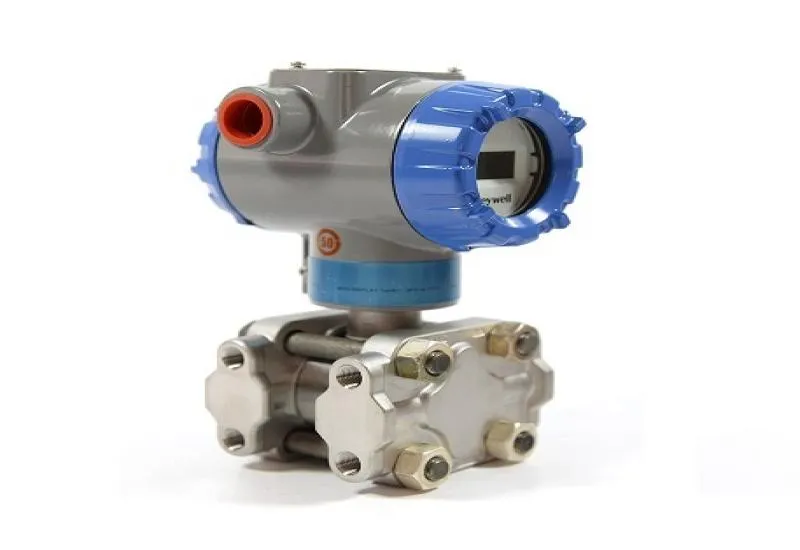
Digital precision for critical processes and advanced automation.
In modern industry, precise pressure control is a key factor in process efficiency and safety, so smart pressure transmitters are an advanced technology solution for companies looking to optimize their industrial measurement and automation systems.
A smart pressure transmitter is an electronic device designed to measure the pressure of liquids or gases and convert it into a standardized electrical signal, allowing integration with control, monitoring, and automation systems in real time.
This equipment is used to monitor critical variables in industrial processes, detecting pressure variations, optimizing system performance, and preventing operating failures that could affect production or safety.
Its applications span sectors such as oil and gas, power generation, chemical, food and beverage, pharmaceutical, and automation systems, where pressure measurement is fundamental to process control.
The importance of this type of device lies in its ability to improve measurement accuracy, ensure process stability, and meet international quality and industrial safety standards.
Key benefits include high reliability, long-term stability, easy integration with digital systems, reduced maintenance, and improved operating efficiency.
In terms of specifications, these transmitters offer high accuracy, standard signal output, compatibility with industrial protocols, and a rugged design for demanding conditions, making smart pressure transmitters ideal for companies looking to modernize their systems and improve process control.
Main Technical Specifications:
- Measurement Type: In-line gauge pressure.
- Measurement Range (URL/LRV): 0 to 500 psi / 0 to 35 bar.
- Accuracy: ± 0.075% of calibrated span.
- Signal Output: 4-20 mA DC or HART digital protocol.
- Sensor: Piezoresistive with integrated temperature and static pressure compensation.
- Materials: Standard 316SS (stainless steel) body and diaphragm.
- Power: Two-wire system (2-wire).
- Smart Functions: Local/remote configuration, self-diagnostics, and output signal simulation.