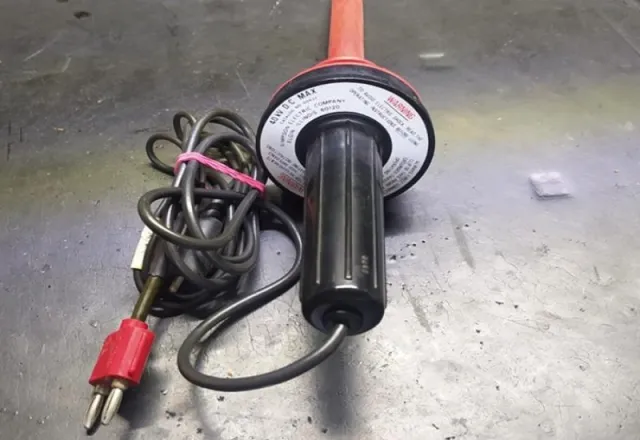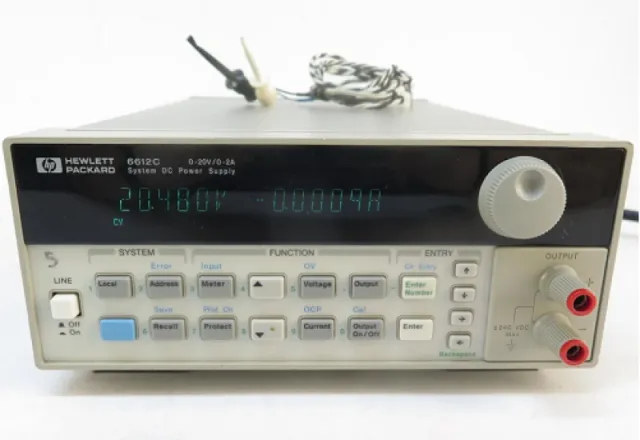
At CREATIVEIT we have a variety of radio frequency (RF) devices: coaxial connectors, bidirectional couplers, antennas, and more.
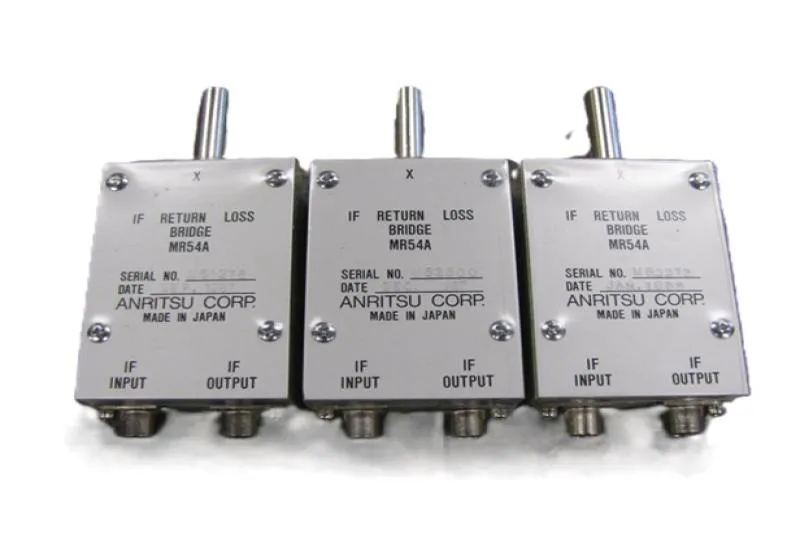
A “return loss bridge” generally refers to a component used in communication systems to measure return loss on a transmission line or system. Return loss is a measure of how much signal energy is reflected back toward the source instead of being transmitted through the system. In general, a high return loss (low reflection) is desirable in communication systems to ensure efficient signal transmission.
Here are some key features and concepts related to return loss bridges:
Return loss measurement: Return loss bridges are used to measure the amount of signal energy that is reflected back toward the source. This is commonly expressed in decibels (dB) and is often referred to as return loss rather than gain.
Balanced bridge: A return loss bridge is often a balanced device, meaning it is designed to match the impedances on both sides of the measurement to minimize reflections.
Calibration: Before using a return loss bridge, it is usually calibrated to compensate for any losses inherent in the measurement system. This is done by connecting the bridge to a known source and adjusting the controls to obtain an accurate reference.
Applications: These devices are commonly used in communications laboratories, test facilities, and the telecommunications industry to ensure the quality of transmission lines and minimize signal losses.